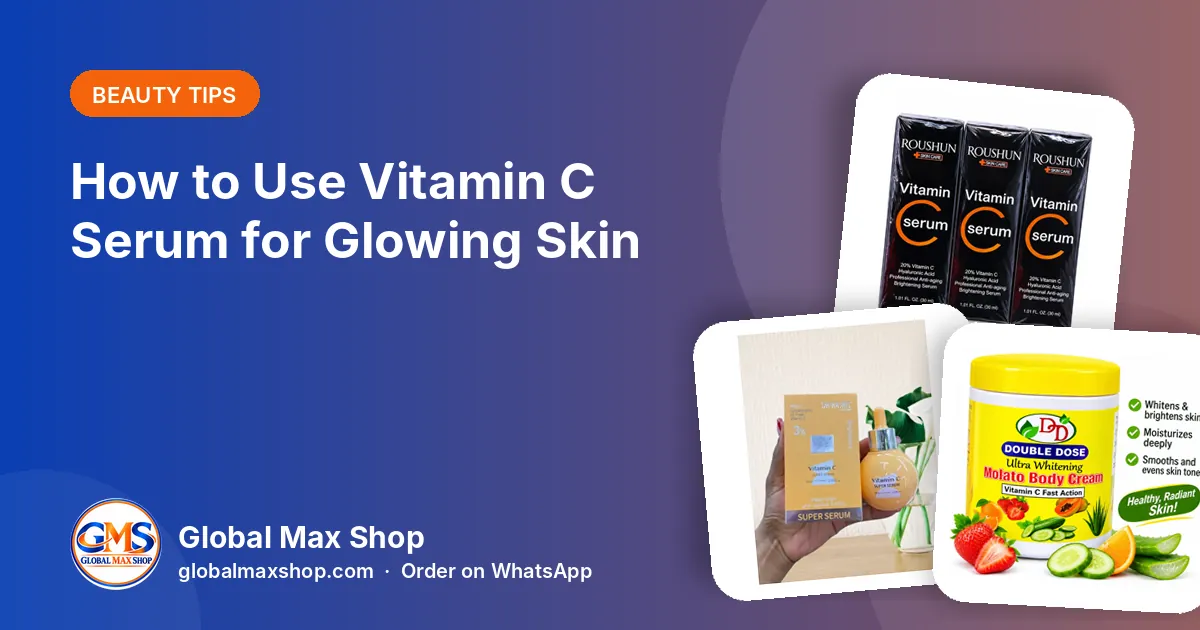
How to Use Vitamin C Serum for Glowing Skin
Vitamin C serum is one of the most popular skincare products in Kenya, and for good reason. Used correctly, it brightens dull skin, supports an even-looking tone and works hand in hand with sunscreen. Used carelessly, it can sting, oxidise or simply waste your money. Here is everything you need to know.
 Global Max Shop Team · 7 min read
What vitamin C does for your skin
Vitamin C is a powerful antioxidant. Every day, your skin is exposed to UV light, pollution and other stresses that create unstable molecules called free radicals. Antioxidants help neutralise them. In skincare, vitamin C is valued for three main effects: it helps brighten a dull complexion, it supports a more even-looking skin tone, and it plays a role in the skin's natural collagen production, which keeps skin looking firm.
Because of these benefits, vitamin C sits in the routines of people with very different goals, from fading the marks left by pimples to keeping mature skin looking fresh.
Types of vitamin C in serums
Not all vitamin C is the same. When you read the ingredients list you may see:
- L-ascorbic acid: the pure, most researched form. It is effective but can be unstable and may sting sensitive skin.
- Sodium ascorbyl phosphate and magnesium ascorbyl phosphate: gentler, more stable forms that suit sensitive and acne-prone skin.
- Ascorbyl glucoside: a stable, water-soluble form often used in lightweight serums.
- Tetrahexyldecyl ascorbate: an oil-soluble form found in richer formulas.
- Ethyl ascorbic acid: a stable form that is popular in modern serums.
Beginners and people with sensitive skin often do well with a gentle derivative at a moderate strength. You can move to stronger formulas once your skin is used to the routine.
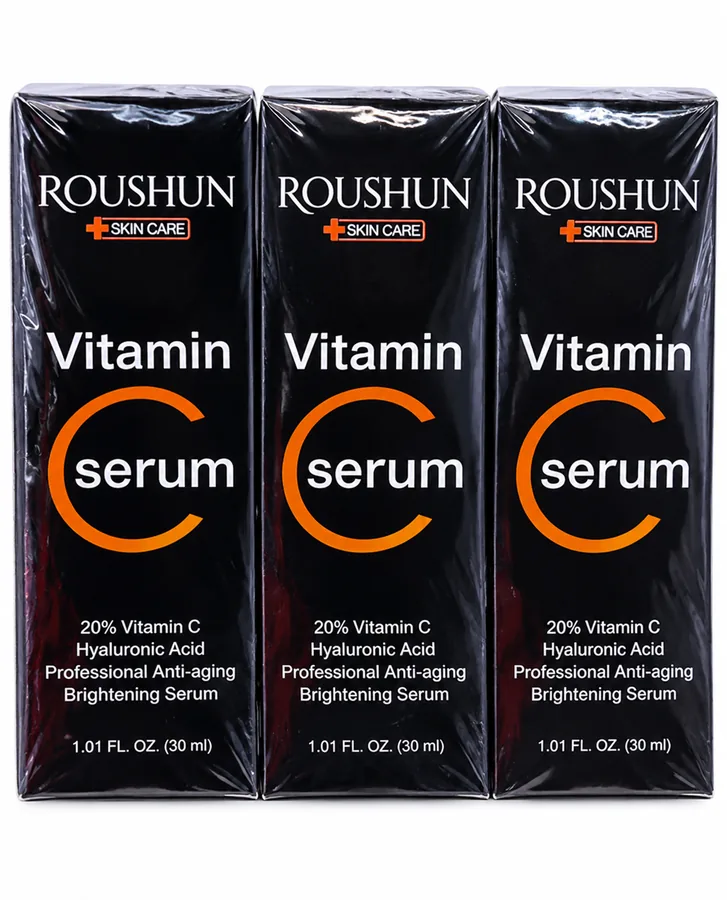 ROUSHUN Vitamin C SerumOrder on WhatsApp
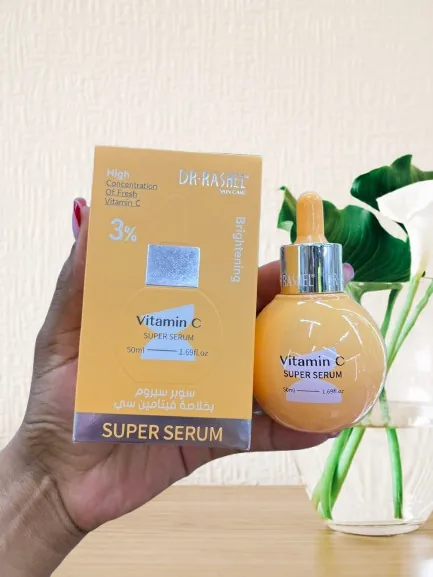 Dr. Rashel Vitamin C Super Serum 50mlOrder on WhatsApp
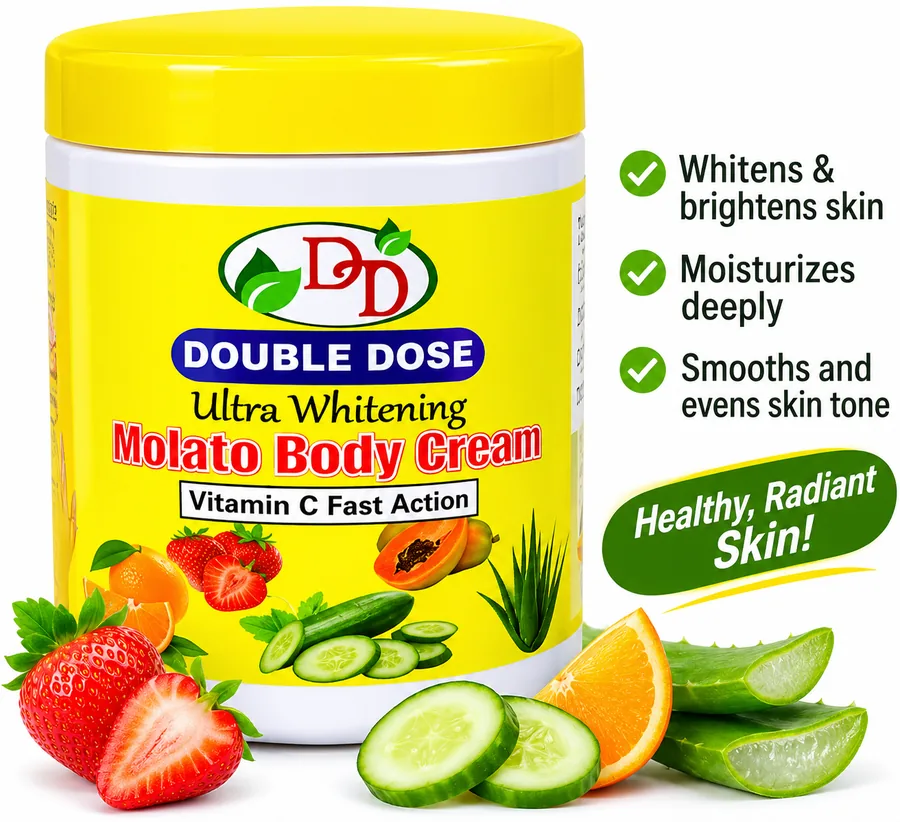 DOUBLE DOSE Molato Ultra Whitening Body Cream with Vitamin COrder on WhatsApp
How to apply vitamin C serum, step by step
- Cleanse your face with a gentle cleanser and pat it dry.
- Tone (optional). If you use a hydrating toner, apply it now.
- Apply the serum. Put two to three drops on your fingertips and press them into the face and neck. Avoid the eyelids and the corners of the nose and lips if you are sensitive.
- Wait about a minute to let the serum absorb.
- Moisturise to lock in hydration.
- Apply sunscreen in the morning. This is not optional: vitamin C and sunscreen work as a team.
Morning or night?
Most dermatologists suggest using vitamin C in the morning, because its antioxidant protection complements sunscreen during the hours you are exposed to sunlight and pollution. That said, if vitamin C stings your skin in the morning or you prefer a simpler morning routine, using it at night still brings brightening benefits. What matters most is consistency.
If your skin is sensitive, start every other morning for two weeks, then increase to daily use if there is no irritation.
What to pair vitamin C with, and what to avoid
Good partners: sunscreen, hyaluronic acid, moisturisers with ceramides, and vitamin E, which helps stabilise vitamin C. Niacinamide is also fine to use with modern vitamin C serums; if you are worried, use them at different times of day.
Use with care: strong exfoliating acids (glycolic, lactic or salicylic acid) and retinol. These are powerful on their own. Many people use vitamin C in the morning and retinol or acids in the evening to avoid irritation.
Avoid: layering several new active products at the same time, which makes it impossible to tell which one is causing irritation if it happens.
Storing vitamin C serum so it stays effective
Vitamin C is sensitive to light, heat and air. When it breaks down, the serum usually turns darker, from clear or pale yellow to orange or brown. To keep it fresh:
- Close the cap tightly after every use.
- Store the bottle in a cool, dark place, away from a sunny windowsill or a hot car.
- Choose amber, opaque or airless packaging where possible.
- Use the bottle within the time stated on the pack after opening, usually a few months.
A serum that has turned dark brown should be replaced.
Common mistakes with vitamin C serum
- Using too much. Two or three drops cover the face. More does not mean faster results, and can cause stickiness or irritation.
- Skipping sunscreen. Without sunscreen, dark spots return and vitamin C cannot do its job properly.
- Applying to wet, freshly exfoliated skin if you are sensitive, which increases stinging.
- Giving up too soon. Expect visible changes after four to eight weeks, not a few days.
- Mixing many actives at once. Keep your routine simple while you learn how your skin responds.
Choosing the right strength
Vitamin C serums are often sold with a percentage on the label, commonly between 5% and 20%. A higher number is not automatically better. Strong serums can irritate, especially on sensitive or freshly shaved skin, and the extra strength may not bring extra benefit if your skin cannot tolerate daily use.
As a guide, beginners and sensitive skin types can start between 5% and 10%, or with a gentle derivative. Those who have used vitamin C before without irritation can move to 10% to 15%. Very high strengths are best reserved for experienced users. If a serum lists vitamin C far down its ingredient list, it may contain only a small amount.
How to patch test a new serum
Before using any new serum on your whole face, apply a small amount to the inside of your forearm or behind your ear once a day for two to three days. If there is no redness, itching or burning, try it on a small area of the jaw for another day or two. A slight tingle when you first apply vitamin C can be normal; burning, swelling or a rash is not. Stop using the product and rinse with cool water if you react.
Sample routines by skin type
Oily skin, morning: gel cleanser, vitamin C serum, oil-free gel moisturiser, matte sunscreen.
Dry skin, morning: cream cleanser, hydrating toner, vitamin C serum, rich moisturiser, cream sunscreen.
Sensitive skin, morning: gentle cleanser, mild vitamin C derivative every other day, fragrance-free moisturiser, mineral or sensitive-skin sunscreen.
Evening for all: cleanse, apply a treatment such as niacinamide or a gentle moisturiser, and give your skin a rest from strong actives at least a few nights a week.
Who should use vitamin C serum?
Almost everyone can benefit, including people with dull skin, uneven tone, marks from pimples, or early signs of ageing. Oily skin types often prefer lightweight, water-based serums. Dry skin types may like serums with added hyaluronic acid or a richer moisturiser on top. If you have very sensitive skin, eczema or rosacea, choose a gentle derivative and patch test first. If you are pregnant or breastfeeding, vitamin C is generally considered a gentle option, but check with your doctor about your full routine.
What results to expect, week by week
Weeks 1 to 2: your skin adjusts. You may notice a slight tingle at first and a fresher look after cleansing and moisturising consistently.
Weeks 3 to 6: many people notice a brighter, more radiant complexion and smoother texture.
Weeks 6 to 12: marks from old pimples start to look lighter and skin tone looks more even, provided you have worn sunscreen every day.
Beyond three months: vitamin C becomes a maintenance step that helps protect the results you have achieved. Keep taking progress photos in the same light so you can judge honestly.
Vitamin C for the body
Vitamin C is not just for the face. Body lotions and creams with vitamin C are popular for knees, elbows and areas that look uneven. Double Dose Molato Body Cream with Vitamin C is one example. Apply after bathing while the skin is still slightly damp, and protect exposed areas from the sun.
Where to buy vitamin C serum in Kenya
You can buy skincare products online in Kenya at Global Max Shop and have them delivered countrywide. Popular choices include Roushun Vitamin C Serum and Dr. Rashel Vitamin C Super Serum. Browse all face care products or our dark spots collection, then tap Order on WhatsApp. Ask us for photos of the batch and expiry date before you pay, and pair your serum with a sunscreen for the best results.
Frequently asked questions
Can I use vitamin C serum every day?
Yes, once your skin is used to it. Start every other day if you have sensitive skin, then increase to daily use.
Does vitamin C serum lighten skin?
It brightens dullness and helps the look of dark spots. It does not change your natural skin tone.
Can I use vitamin C with niacinamide?
Yes. Modern formulas can be layered. Apply the thinner product first, or use them at different times of day if you are sensitive.
Why does my vitamin C serum sting?
Some forms, especially L-ascorbic acid, can tingle. If stinging is strong or lasts, switch to a gentler derivative or use it less often.
Why has my serum turned orange?
Vitamin C oxidises with light, heat and air. A serum that turns dark orange or brown has lost much of its effect and should be replaced.
How long before vitamin C serum works?
Most people notice brighter skin within four to eight weeks of consistent daily use with sunscreen.
Need help choosing?
Send us a message and our team will recommend products and confirm today's prices.
We are a Nairobi-based online store helping Kenyans shop beauty, health, food, school and farm products with confidence. Our guides are general information, not medical or professional advice.