Nutritious Pantry Staples for Every Kenyan Household
Busy mornings, long commutes and unpredictable schedules make it easy to reach for whatever is fastest, and that is rarely the most nutritious choice. A well-stocked pantry changes that. With the right staples at home, you can put together a healthy breakfast, a filling lunch box or a quick dinner in minutes. Here is what to keep in your kitchen and how to shop smarter.
 Global Max Shop Team · 7 min read
Why a planned pantry saves money and time
Unplanned shopping usually means more trips, more impulse buys and more food waste. A pantry built around long-lasting, nutritious staples lets you cook balanced meals without daily market runs. Buying staples in sensible quantities also protects your household budget against short-term price changes. The goal is not to stockpile, but to always have the building blocks of a healthy meal within reach.
Whole grains and healthy flours
Grains are the foundation of most Kenyan meals. Whenever you can, choose whole-grain or less-refined options, which keep more fibre, vitamins and minerals. Useful staples include:
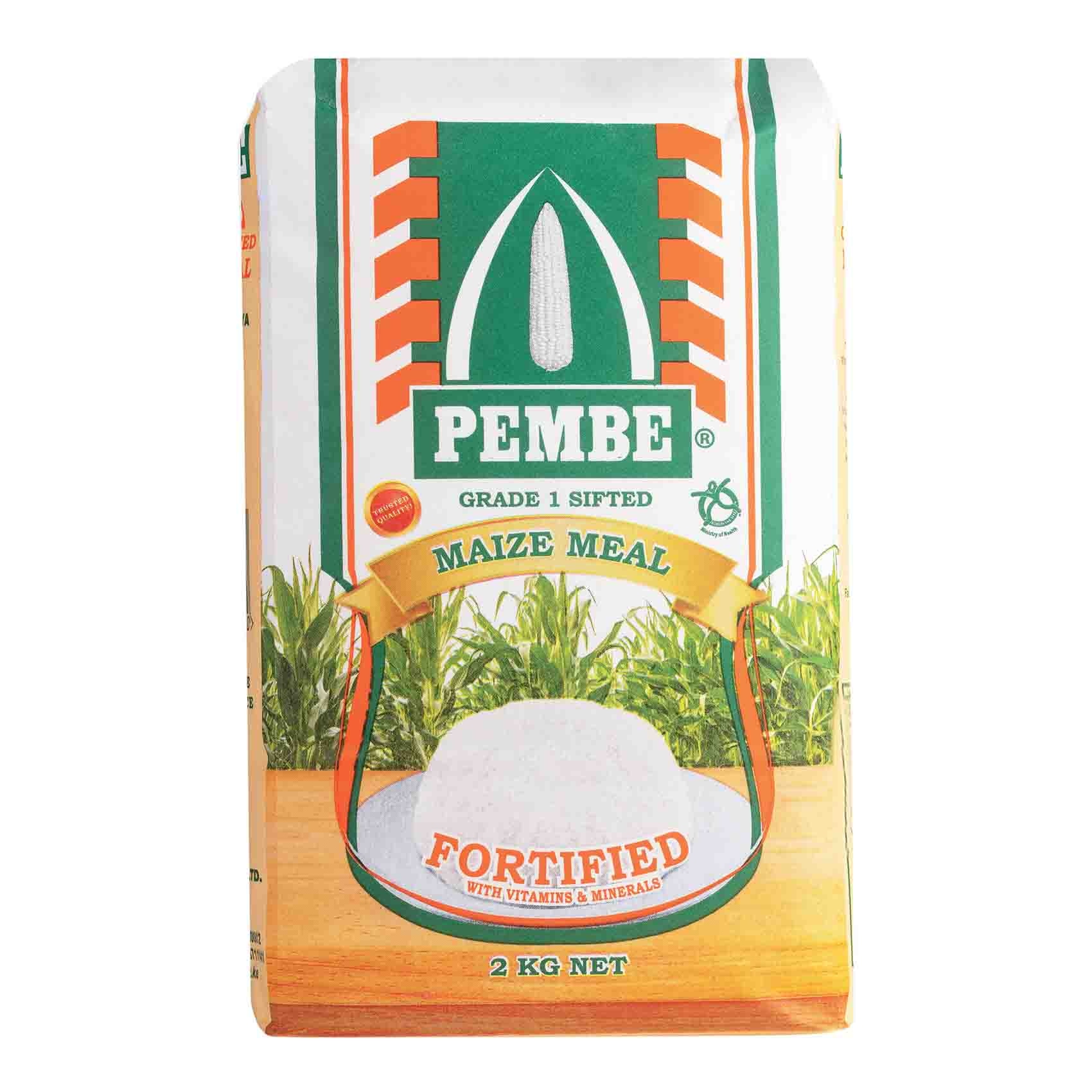
- Maize flour for ugali, with whole-grain or fortified options for extra nutrition.
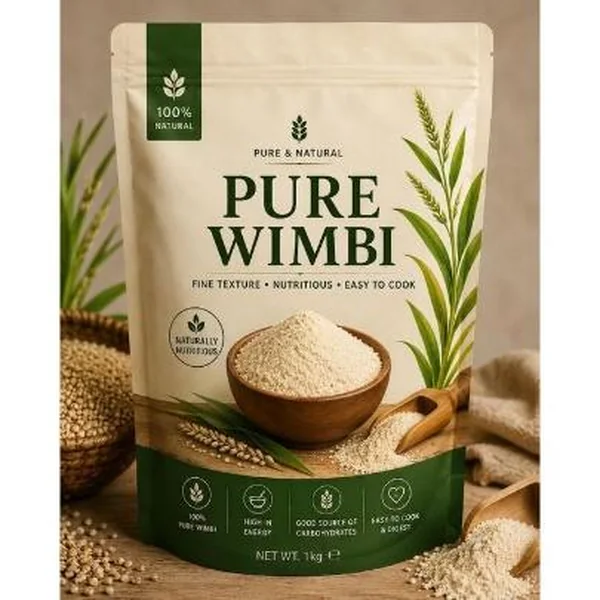
- Wimbi (finger millet) and sorghum flour for porridge and blended ugali, rich in minerals and fibre.
- Multi-grain uji mixes such as Ryan's Instant Uji Mix for quick, nutritious breakfasts.
- Cassava flour such as Samwa Cassava Flour, a gluten-free option for porridge and baking.
- Rice, including brown rice for extra fibre.
- Oats for porridge and baking.
- Wheat flour for chapati and mandazi, ideally partly replaced with whole-wheat flour.
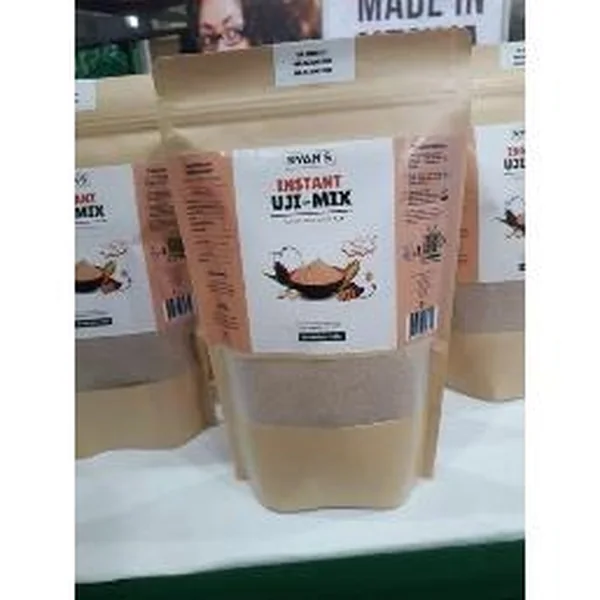 Ryan's Instant Uji Mix (Maize, Sorghum, Soy and Sweet Potato)Order on WhatsApp
 Samwa Cassava Flour Gluten Free 500gOrder on WhatsApp
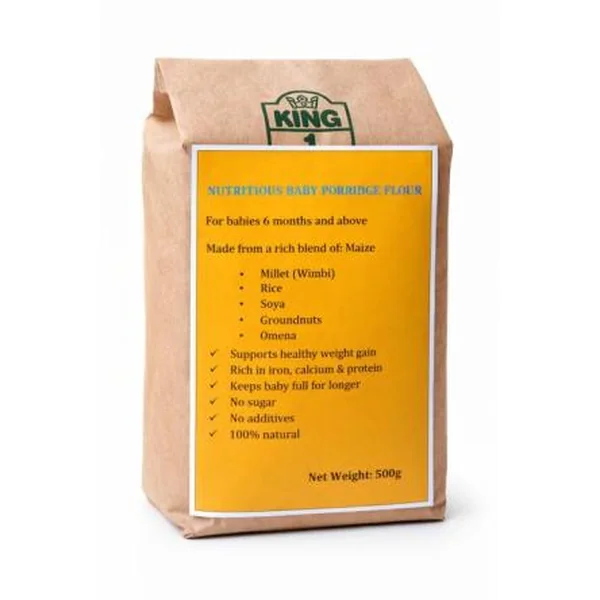
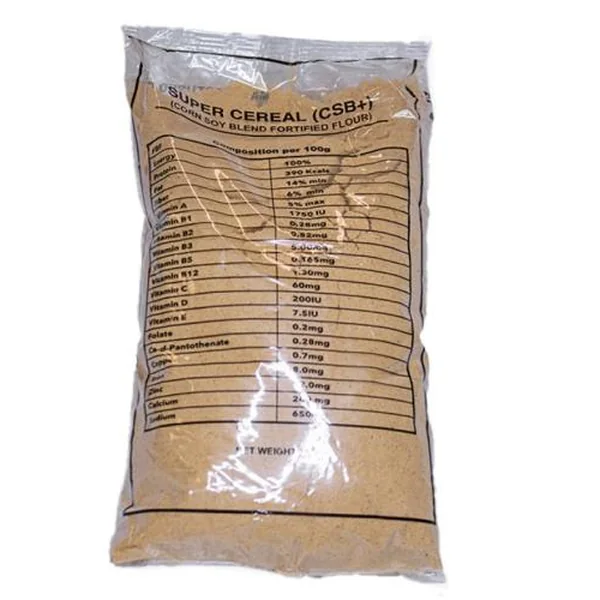 Corn Soya Blend (CSB) Fortified FlourOrder on WhatsApp
Legumes and pulses
Beans, ndengu (green grams), njahi (black beans), lentils, cowpeas and dried peas are some of the most affordable sources of protein, fibre, iron and folate. They store for months in a dry container. Soak beans overnight to reduce cooking time and fuel costs, and cook a larger batch to use over several days. Combining legumes with grains, as in githeri or rice and beans, gives a more complete protein. Corn Soya Blend combines a grain and a legume in a convenient flour.
Healthy fats and oils
Cooking oil is essential, but quantity matters. Use measured amounts rather than pouring freely. Groundnuts and peanut butter add healthy fats and protein to porridge, sauces and snacks. Seeds such as sesame and pumpkin seeds are nutritious toppings. Store oils away from heat and light to keep them fresh, and avoid reusing frying oil many times.
Tea, coffee and beverages
Tea is part of daily life in Kenya, and a pack of quality tea leaves or tea bags is a pantry essential. Kenyan coffee is also a favourite. For healthier drinks, keep plain drinking water, fruit, and occasionally natural juices, and limit sugary soft drinks. Milk powder or long-life milk is useful when fresh milk is not available. Browse our beverages for tea, coffee and drink options.
Seasonings and flavour builders
Onions, garlic, ginger, tomatoes and fresh dhania are the base of countless Kenyan dishes. Dry spices such as curry powder, turmeric, cumin, black pepper, pilau masala and chilli let you vary meals without adding much salt. Iodised salt is important, but use it sparingly; flavour from spices and herbs means you need less. Stock cubes are convenient but high in salt, so use them in moderation.
Snacks worth keeping at home
Healthy snacks stop hunger turning into unhealthy choices. Good options include groundnuts, roasted maize, popcorn made at home, boiled eggs, fruit, yoghurt and whole-grain crackers. For children's lunch boxes, combine a carbohydrate, a protein and a fruit, such as a boiled egg, a slice of whole-wheat bread and a banana. When you buy snacks online in Kenya, read labels for sugar and salt.
Fresh foods to buy regularly
A pantry works alongside fresh food. Buy vegetables such as sukuma wiki, cabbage, carrots, spinach, tomatoes and onions every few days, and seasonal fruit such as mangoes, oranges, bananas, pawpaw and avocados. Eggs, milk and small fish such as omena are affordable protein. If you have space, a small kitchen garden can supply fresh greens daily.
Simple meals from your pantry
- Breakfast: wimbi or multi-grain uji with milk and banana; or oats with groundnuts.
- Lunch: githeri with avocado; rice and ndengu; or ugali with sukuma wiki and beans.
- Dinner: lentil stew with chapati; omena with ugali and greens; or vegetable rice.
- Quick fix: eggs scrambled with tomatoes and onions, served with bread or ugali.
A weekly pantry checklist
Use this quick checklist before you shop each week:
- Grains and flours: maize flour, wimbi or uji mix, rice, oats, wheat flour.
- Legumes: beans, ndengu, lentils.
- Protein extras: eggs, omena, milk or milk powder, groundnuts.
- Cooking basics: oil, salt, sugar, onions, garlic, tomatoes.
- Spices: curry powder, turmeric, black pepper, pilau masala.
- Drinks: tea, coffee, drinking water.
- Fresh produce: greens, carrots, cabbage, seasonal fruit.
Ticking off this list takes two minutes and prevents most mid-week shopping trips.
Reading food labels
Labels tell you more than the price. Check the ingredient list, which is written from the largest amount to the smallest; if sugar or salt appears near the top, the product contains a lot of it. Look for whole grains listed first on cereal and flour packs, and for a fortification mark on maize and wheat flour, which shows added vitamins and minerals. Allergen information is important for anyone with food allergies. Finally, check the best-before date and the batch number in case of a product recall.
Reducing food waste
Kenyan households throw away more food than they realise, and every bit of waste is money lost. Plan meals so ingredients are used across several dishes, store leftovers in the fridge and use them within a day or two, turn overripe bananas into porridge toppings or pancakes, and freeze extra cooked beans in portions. Buy fresh produce in amounts you will use, and keep a small list on the fridge of what needs using up first.
Storing food safely
- Use airtight containers for flour, grains and legumes to keep out moisture, insects and rodents.
- Store food off the floor in a cool, dry place.
- Follow the first in, first out rule: use older stock before new.
- Check best-before dates and discard anything mouldy or musty.
- Keep cleaning products and farm chemicals completely separate from food.
Batch cooking for busy weeks
Spending an hour or two on Sunday preparing food for the week saves time and money. Cook a large pot of beans or ndengu, chop onions and tomatoes for the next few days, boil eggs for snacks and prepare a jar of homemade masala paste with garlic and ginger. Store everything in clean, covered containers in the fridge. On busy evenings, dinner becomes a matter of reheating and adding fresh greens.
Smart grocery shopping in Kenya
Make a list before you shop and plan meals for the week. Buy staples in larger packs when they offer better value and you will use them before they expire. Compare prices per kilogram, not per pack. Avoid shopping when you are hungry. Ordering online saves time and transport costs: at Global Max Shop you can add pantry staples, beauty products and household items to one list and send it on WhatsApp for one delivery.
Feeding children well on a budget
Growing children need energy, protein, calcium, iron and vitamins. Affordable ways to meet those needs include fortified porridge, beans and lentils, eggs, milk, omena, dark green vegetables and seasonal fruit. Offer water rather than sweet drinks, and involve children in cooking to make them more willing to try new foods. For babies starting solids, follow your clinic's advice and consider purpose-made cereals such as Baby Afrik Baby Cereal.
Cooking with less fuel
Fuel is a major household cost. Soaking beans and other legumes overnight cuts cooking time significantly. Cooking with a lid on the sufuria keeps heat in. A pressure cooker or energy-saving jiko pays for itself over time. Cook larger batches of beans or stews and reheat portions, which uses less fuel than cooking from scratch every day. Cut vegetables into even pieces so they cook quickly and at the same time.
Order food products online in Kenya
Global Max Shop makes grocery shopping in Kenya simple. Browse all food products online, including healthy foods, grocery essentials and beverages. Add items to My List, send it on WhatsApp and we will confirm prices and deliver in Nairobi and countrywide. Read our comparison of healthy porridge flours to choose the best breakfast for your family.
Frequently asked questions
Can I do grocery shopping online in Kenya?
Yes. Order on WhatsApp at Global Max Shop and we deliver in Nairobi and across Kenya.
Which flours are the most nutritious?
Whole-grain and fortified flours such as wimbi, sorghum and multi-grain blends keep more fibre, vitamins and minerals.
How do I keep weevils out of flour and grains?
Store them in airtight containers in a cool, dry place and use older stock first.
What are healthy snacks for children?
Groundnuts, boiled eggs, fruit, yoghurt and home-made popcorn are affordable, nutritious options.
How can I reduce salt in cooking?
Use onions, garlic, ginger, herbs and spices for flavour, taste before adding salt and limit stock cubes.
Do you sell food products in bulk?
Yes. Schools, offices and institutions can request bulk prices on WhatsApp.
Need help choosing?
Send us a message and our team will recommend products and confirm today's prices.
We are a Nairobi-based online store helping Kenyans shop beauty, health, food, school and farm products with confidence. Our guides are general information, not medical or professional advice.