Back-to-School Essentials Every Parent Should Have Ready
Whether it is the start of a new school year or a restock after the holidays, the days before opening can be stressful. A clear checklist turns a scramble into a calm, organised week. This guide covers the essentials every Kenyan parent should have ready, how to save money on books and stationery and how to set children up for a successful term.
 Global Max Shop Team · 7 min read
Start with the school list, then check this one
Every school publishes its own requirements, and those always come first. Read the list carefully as soon as you receive it, mark what you already have at home and note anything unclear so you can ask the class teacher. Then use this checklist to catch items schools often assume parents already have, such as spare pens, a pencil case or a water bottle. For a level-by-level breakdown, see our CBC school supplies list.
Exercise books
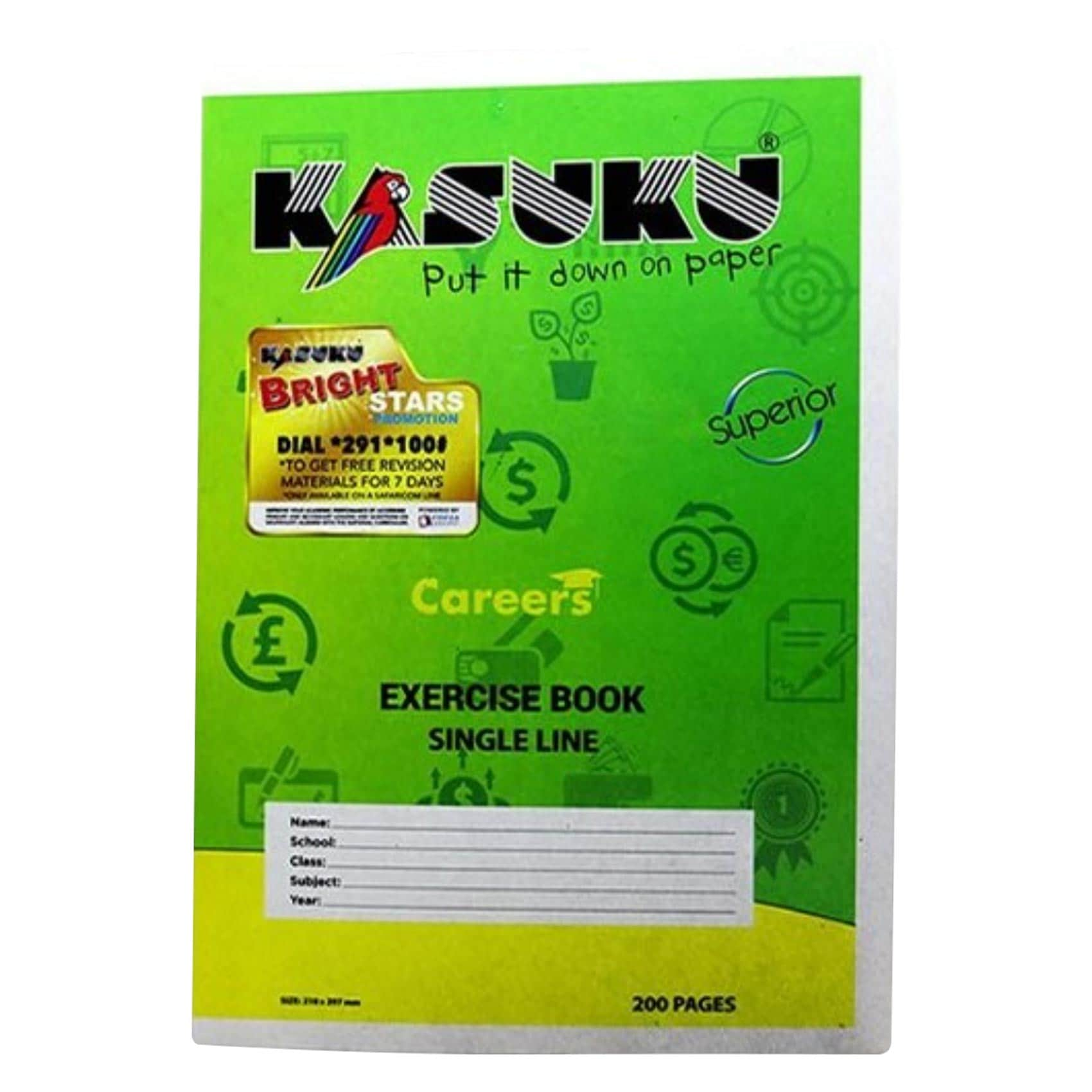
Check the school list for the number of books, page counts and ruling. A4 200-page books and A5 120-page books are among the most common requests, with squared or graph books for mathematics and plain books for drawing. Buy a few extra, because books often fill up faster than expected in core subjects. Covering books with clear plastic or paper protects them from tea spills and rain, and keeps them neat all term.
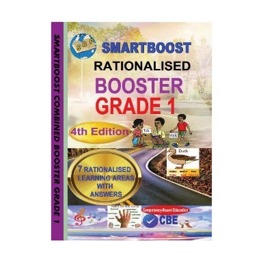 Smartboost Rationalised Booster Grade 1Order on WhatsApp
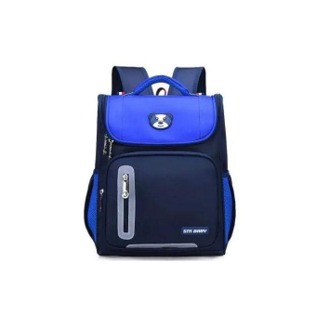 Quality Laptop and School BackpackOrder on WhatsApp
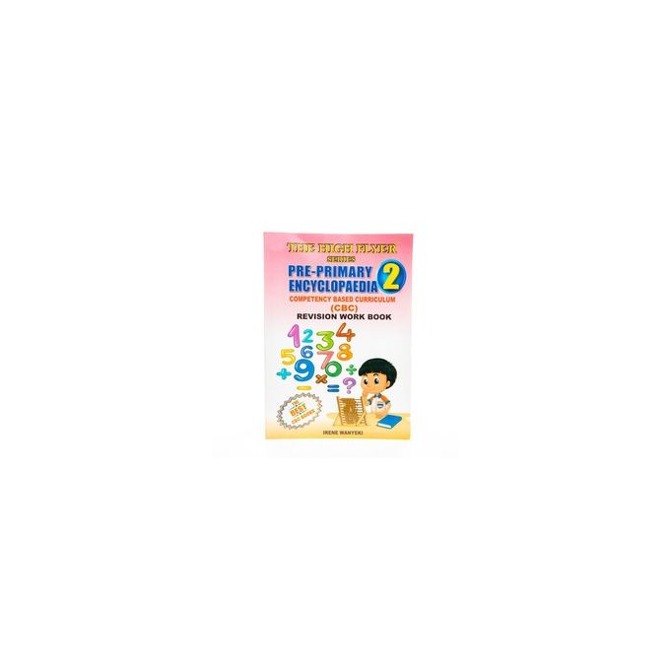 Highflier Combined Encyclopedia Pre-PrimaryOrder on WhatsApp
Pens, pencils and spares
Lost pens are a fact of school life. Buy packs rather than single pens, and keep a small reserve at home. Younger children need HB pencils, rubbers and sharpeners; older learners need blue and black pens, and sometimes a red pen. A zipped pencil case keeps everything together. Browse our writing materials for packs that work out cheaper per item.
The maths kit
A complete mathematical set with a compass, divider, protractor, set squares and ruler covers most of primary and junior school geometry. Check that the compass grips firmly. Older learners will need a scientific calculator; confirm with the school which models are allowed in examinations, and teach your child to keep it in its case.
Revision and reading books
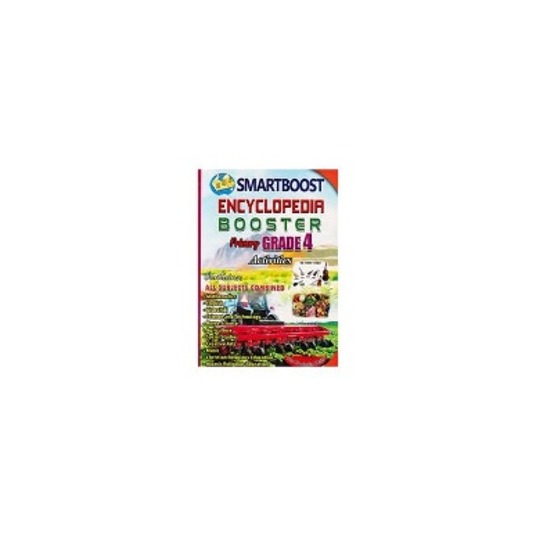
Grade-level revision books help children practise at home and build confidence before tests. Popular titles include the Smartboost Encyclopedia Boosters for lower primary and the Highflier series for pre-primary. Add a dictionary, an atlas for upper primary and a few storybooks to encourage reading for pleasure. Children who read regularly tend to do better across all subjects.
A strong school bag
A sturdy backpack protects books and devices all term. Look for two padded straps, a padded back, strong zips and water-resistant fabric for the rainy season. The bag should sit close to the back and not hang below the waist. Older learners who carry laptops or tablets need a padded compartment.
Uniforms and shoes
Try on last term's uniform early; children grow quickly over the holidays. Buy uniforms with a little room to grow, and two sets of daily wear to make laundry easier. School shoes should fit well with room for the toes, be comfortable for walking and be polished at the start of the week. Label sweaters, jackets and games kit, which are the items most often lost.
Hygiene and personal care
Pack tissues, a small hand sanitiser and a face towel. Older girls should have sanitary pads in a discreet pouch in their bag, and it helps to talk with them beforehand about managing periods at school. Boarders need a full toiletries kit: soap, toothpaste, toothbrush, lotion, deodorant, a comb and laundry soap. Order hygiene products and personal care items together with stationery for one delivery.
Lunch box and water bottle
A leak-proof lunch box and a reusable water bottle save money and keep children fuelled through the day. Pack balanced snacks such as fruit, boiled eggs, groundnuts or a sandwich, and avoid sugary drinks. For breakfast, a quick bowl of fortified porridge sets children up for concentration; see our guide to healthy porridge flours.
Boarding school extras
Boarders need more preparation. Typical items include a mattress, bedsheets, a blanket, a mosquito net, a metal box and padlock, a bucket, basins, slippers, a torch and enough clothes for the term. Check the school's list carefully, label everything with the learner's name and admission number, and pack a small first aid kit with plasters and any medicines the school allows.
Preparing children mentally
A smooth start is not just about supplies. Return to school-day sleep routines a week before opening. Talk about what your child is looking forward to and any worries they have. Review a little of last term's work using revision books so learning feels familiar again. On the first day, arrive early, and for younger children, keep goodbyes warm but short.
Organising homework and study time
A good routine at home makes the most of the supplies you buy. Set a regular homework time after school, with a short break for a snack first. Create a quiet study corner with good lighting, a table and a shelf for books. Keep a simple calendar for tests, projects and school events. Check homework diaries daily for younger children, and encourage older learners to plan their own time. Limit screens on school nights, and make sure children get enough sleep: primary learners need around nine to eleven hours a night.
Health checks before the term
The holidays are a good time for routine health checks. Make sure vaccinations are up to date, book a dental check-up if needed and have eyes tested if your child squints, holds books very close or complains of headaches when reading. Deworming at the recommended intervals supports good nutrition and concentration. If your child takes regular medication, give the school written instructions and confirm how it will be stored and given.
A last-week countdown
- Seven days before: try on uniforms and shoes, finish shopping and start earlier bedtimes.
- Five days before: cover and label books, pack the pencil case and maths set.
- Three days before: confirm fees, transport arrangements and any boarding items.
- The night before: pack the bag, iron the uniform and prepare a simple breakfast plan.
- Opening day: leave early, keep goodbyes positive and ask about the day when you meet again.
Staying connected with the school
Good communication with teachers helps you spot problems early. Save the class teacher's contact details, attend parents' meetings, read school circulars and check the school's preferred channel for updates, often a WhatsApp group or SMS. Ask teachers how you can support learning at home, especially for CBC projects that involve parents. A quick note of thanks at the end of term goes a long way too.
Supplies for learners with special needs
Some children need extra support, such as large-print books, special pencil grips, coloured overlays for reading or assistive devices. Talk to the school about your child's needs before the term starts, share any assessments and agree on how supplies will be used in class. Small adjustments, like a slanted writing board or a quiet place to work, can make a big difference to confidence and progress.
Saving money on back-to-school shopping
- Reuse what you can from last term: half-used books, maths sets and bags in good condition.
- Buy pens, pencils and exercise books in packs.
- Pass down uniforms and books between siblings.
- Join other parents to buy in bulk and share delivery costs.
- Order early, before the rush pushes prices and stock levels in the wrong direction.
- Shop online to save transport time and queues.
Keeping a back-to-school file
Keep one folder at home for each child with the school list, fee receipts, report cards, medical information and important circulars. Before the next term, the folder shows exactly what was bought, what was used and what can be reused. It also makes it easy to compare costs from term to term and plan your budget early.
Buying for a class or school?
Teachers, schools and parents' associations can send their full list on WhatsApp for a bulk quotation, an invoice and delivery to the school. We can also pack items per learner for easy distribution. Explore our full range of school supplies, stationery and educational materials, add them to My List and send it in one message. We deliver across Kenya.
Frequently asked questions
Can I buy stationery online in Kenya?
Yes. Order books and stationery on WhatsApp from Global Max Shop and we deliver countrywide.
When should I start back-to-school shopping?
Two to three weeks before opening day gives you time to compare, order and label everything.
How many exercise books does my child need?
Follow the school list, then add two or three spares for subjects with heavy writing.
Which school bag is best for primary learners?
A backpack with two padded straps, a padded back and strong zips, sized so it does not hang below the waist.
Do you deliver school supplies to schools?
Yes. Schools can request a bulk quotation and delivery to their premises.
Can I pay for school supplies by M-Pesa?
Yes. We confirm your order on WhatsApp and you pay by M-Pesa, card or bank transfer.
Need help choosing?
Send us a message and our team will recommend products and confirm today's prices.
We are a Nairobi-based online store helping Kenyans shop beauty, health, food, school and farm products with confidence. Our guides are general information, not medical or professional advice.