CBC School Supplies List: What Learners Need by Level
Every school sends its own list, but most Kenyan learners need the same core school supplies. Planning early saves money, avoids the back-to-school rush and makes sure your child starts the term ready to learn. This guide covers what learners typically need at each level of the Competency Based Curriculum (CBC), how to choose quality stationery and how to buy school supplies online in Kenya.
 Global Max Shop Team · 7 min read
Understanding the CBC levels
Kenya's Competency Based Curriculum organises learning into stages. Pre-primary covers PP1 and PP2. Lower primary covers Grades 1 to 3. Upper primary covers Grades 4 to 6. Junior school covers Grades 7 to 9, followed by senior school. The curriculum emphasises practical activities, projects and creativity, so supplies lists now include more art materials, manila paper and project items than in the past, alongside the familiar exercise books and pens.
Always start with the official list from your child's school. Use this guide to check you have not missed anything and to plan your budget.
Pre-primary (PP1 and PP2)
At this stage children learn through play, so supplies focus on drawing, colouring and early literacy and numeracy.
- Activity and early learning books, such as the Highflier Combined Encyclopedia for pre-primary.
- Large crayons and colour pencils that are easy for small hands to grip.
- A few exercise books, usually A5, often with wider ruling.
- Pencils, a rubber and a sharpener in a zipped pencil case.
- Plasticine or modelling clay, safety scissors and glue for craft activities.
- A small, light school bag and a water bottle.
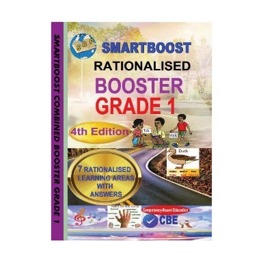 Smartboost Rationalised Booster Grade 1Order on WhatsApp
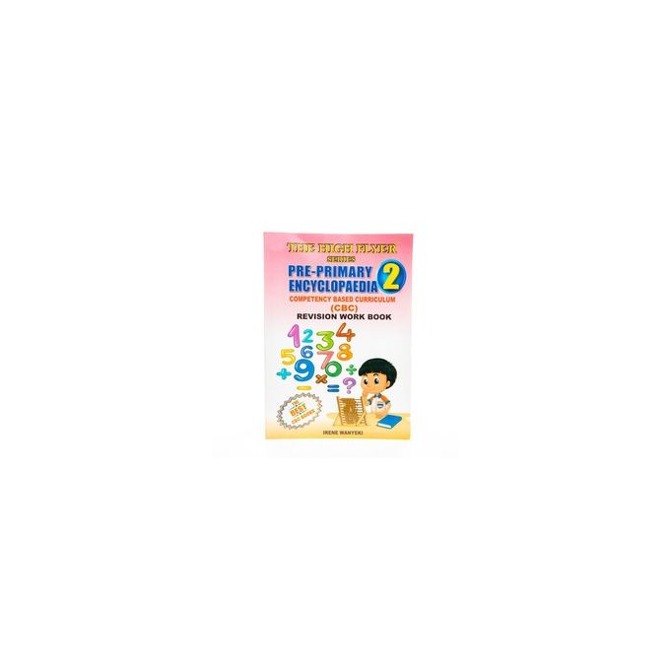 Highflier Combined Encyclopedia Pre-PrimaryOrder on WhatsApp
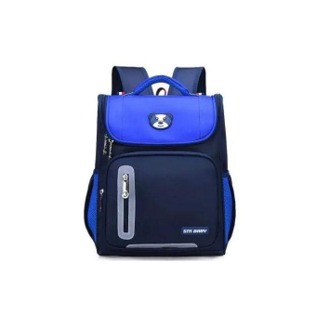 Quality Laptop and School BackpackOrder on WhatsApp
Lower primary (Grades 1 to 3)
- Ruled exercise books for each learning area, usually A5 and some A4.
- Drawing books for creative arts.
- HB pencils, rubbers, sharpeners and a 30 cm ruler.
- Colour pencils and crayons.
- Revision and activity books such as Smartboost Encyclopedia Booster Grade 1.
- A storybook or two for reading practice at home.
- A durable school bag with padded straps.
Learners at this stage still write mostly in pencil. Buy pencils in packs because they are lost and broken often.
Upper primary (Grades 4 to 6)
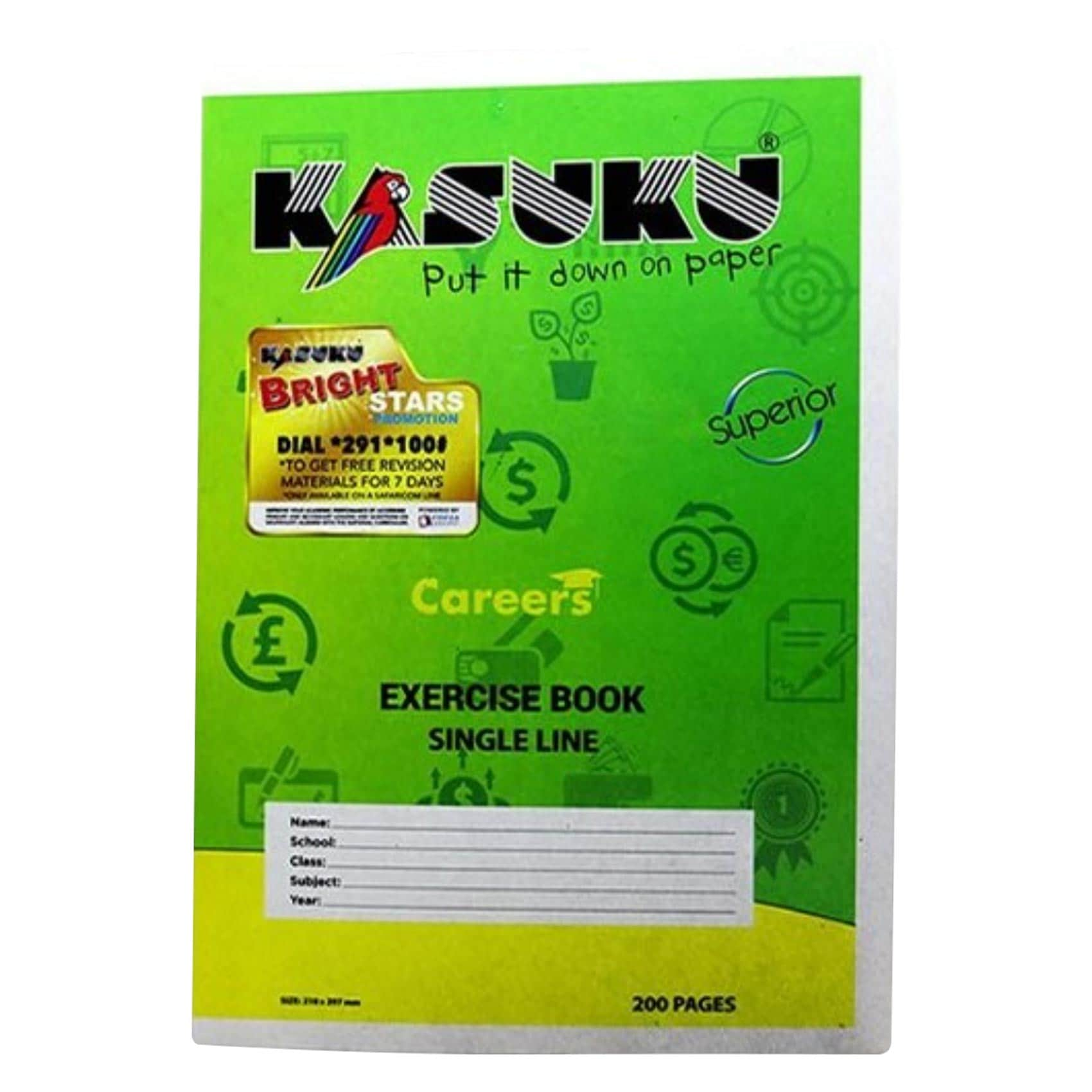
- A4 exercise books for most subjects, often 96 or 120 pages, plus a few 200-page books for subjects with heavy writing.
- Blue and black pens, plus a red pen for corrections if the school allows.
- A complete mathematical set with a compass, protractor, set squares and ruler.
- Graph books or squared books for mathematics.
- An atlas and a dictionary.
- Grade-level revision books for core learning areas.
- Manila paper, coloured paper and glue for projects.
Junior school (Grades 7 to 9)
- A4 exercise books, many schools ask for 200-page books for core subjects.
- A scientific calculator for mathematics and pre-technical studies.
- A full mathematical set and a good quality ruler.
- Lab coat and practical materials if requested by the school.
- Revision books, past papers and reference books.
- Highlighters, sticky notes and a file or folder for handouts and project work.
- A strong, comfortable school bag, ideally with a laptop or tablet sleeve for schools that use devices.
Choosing quality stationery
Cheap stationery can cost more in the long run. Exercise books with thin paper let ink bleed through, and covers that tear in the first month leave work unprotected. Look for books with sturdy covers and clean binding. Choose pens that write smoothly without smudging. For mathematical sets, check that the compass holds its position firmly; a loose compass makes accurate geometry frustrating. Scientific calculators should be a model accepted for national examinations, and it is worth buying a genuine one that will last several years. Browse our stationery and writing materials to compare options.
Art, craft and project materials for CBC
CBC places a strong emphasis on creativity and hands-on projects, so many schools ask for materials that were rarely on lists a few years ago. Common items include manila paper in several colours, a glue stick and liquid glue, safety scissors, markers and felt pens, a drawing book, plasticine, coloured paper and sometimes simple musical items or sports wear. Projects may also call for recycled materials such as bottle tops, boxes and old magazines, so start a small collection at home. Keep these materials in a separate box so they are ready when a project is announced, often at short notice.
Digital learning and devices
More schools now use computers and tablets for parts of the curriculum, especially in upper primary and junior school. If your child's school requires a device, confirm the specification before buying. Protect the device with a sturdy case, a screen protector and a padded bag compartment. Set screen time limits at home and use parental controls on internet access. Remember that devices complement, rather than replace, reading books and handwriting practice, which remain central to learning.
Choosing the right school bag
A school bag carries a heavy load every day, so comfort and strength matter. Choose a bag with two wide, padded shoulder straps, a padded back panel and strong zips. The bag should not hang more than a few centimetres below the waist. Teach children to use both straps, and to pack the heaviest books closest to the back. Clear out the bag every weekend so children do not carry unnecessary weight. For older learners, bags with a padded compartment protect laptops and tablets.
A smart back-to-school budget
- Take stock first. Check what is left from last term: half-used books, pens and maths sets can often be reused.
- List by priority. Buy the essentials for the first two weeks first, then the rest.
- Buy core items in bulk. Packs of pens, pencils and exercise books cost less per unit.
- Label everything. Names on books, bags, calculators and maths sets reduce losses.
- Keep a home reserve. A small stock of pens, pencils and books avoids emergency purchases mid-term.
- Order early. Prices and stock can tighten in the last week before opening day.
Uniform and other essentials
Beyond stationery, the start of the year often brings other costs: uniforms, sweaters, school shoes, socks, games kit and sometimes a lunch box and water bottle. Buy uniforms with a little room to grow, but not so large that they look untidy. Two sets of everyday uniform make laundry easier. Label sweaters and jackets inside the collar, because they are the items most often lost. Hygiene items such as tissues, sanitary pads for older girls and a small hand sanitiser are worth adding to the bag. You can order hygiene products together with stationery in one delivery.
Supporting learning at home
Supplies are only part of the story. Set up a quiet place at home for homework with good light. Encourage daily reading, even for ten or fifteen minutes. Use revision books for short practice sessions rather than long cramming. CBC projects often need simple materials such as manila paper, glue, scissors and markers, so keep a small craft box ready. Above all, talk to your child about what they are learning; curiosity grows when learning is shared.
Teaching children to care for their supplies
Good habits save money every term. Show younger children how to sharpen pencils gently, close pens after use and keep books flat in the bag. Encourage older learners to cover books, keep a simple checklist of what they carry each day and report lost items quickly. Praising children who look after their things works better than scolding those who do not. These small routines also build the responsibility and organisation skills that CBC aims to develop.
Bulk school supplies for schools and parents' groups
Schools, teachers and parents' associations can save time and money by ordering together. Send your complete list on WhatsApp and we will prepare a quotation, issue an invoice and arrange delivery to the school. We can also pack orders per learner for easy distribution. Ask about our educational materials, including revision books, charts and teaching aids.
Buy school supplies online in Kenya
At Global Max Shop you can buy school supplies online in Kenya and avoid the back-to-school queues. Browse all school supplies, books and learning materials and stationery online, add items to My List with the + button, and send the whole list on WhatsApp. We confirm prices and deliver anywhere in Kenya. For a quick checklist, read our back-to-school essentials guide.
Frequently asked questions
Do you supply schools in bulk?
Yes. Send your list on WhatsApp for a quotation, invoice and delivery plan. We can also pack orders per learner.
Which revision books do you stock?
We stock Smartboost and Highflier books, and can source other titles and grades on request.
Which calculator do junior school learners need?
Most schools ask for a scientific calculator accepted for national exams. Check your school's list for the specific model.
When should I buy school supplies?
Two to three weeks before opening day is ideal. Stock and prices tighten in the final week.
Can you deliver school supplies outside Nairobi?
Yes, we deliver across Kenya by courier.
How can I make school supplies last longer?
Choose sturdy books, cover them, label everything and teach children to pack their bags carefully.
Can I buy school supplies online and pay by M-Pesa?
Yes. Send your list on WhatsApp, we confirm the total including delivery, and you pay by M-Pesa, card or bank transfer once you are happy with the order.
Need help choosing?
Send us a message and our team will recommend products and confirm today's prices.
We are a Nairobi-based online store helping Kenyans shop beauty, health, food, school and farm products with confidence. Our guides are general information, not medical or professional advice.