Hair Growth Oils for Natural Hair in Kenya: A Simple Guide
Hair growth oils are among the most searched beauty products online in Kenya. From rosemary and castor oil to batana and argan, every week brings a new favourite on social media. This guide explains what oils can and cannot do, how the popular oils differ, and how to build a simple routine for natural hair, braids, locs and relaxed hair.
 Global Max Shop Team · 7 min read
How hair grows, and what oils really do
Each strand of hair grows from a follicle under the scalp. On average, hair grows around one centimetre a month, and that rate is mostly set by your genes, age, hormones, nutrition and overall health. No oil can change your genes. So why are hair oils so popular?
The answer is that most people with textured hair are not losing length because their hair is not growing. They are losing length because the ends break off as fast as new hair grows from the root. Coily and curly hair is naturally drier, because the scalp's natural oils struggle to travel down the coils. Dry hair is more fragile, and fragile hair breaks during combing, styling and sleeping.
Oils help in three main ways: they support a healthy, comfortable scalp; they reduce friction and breakage when you detangle; and they seal moisture into the hair so it stays flexible. When breakage drops, you finally keep the length you grow. That is the real secret behind most hair growth success stories.
The popular hair growth oils compared
- Rosemary oil: a favourite essential oil for scalp massage routines. It is strong, so it should always be diluted in a carrier oil such as coconut, olive or jojoba before applying to the scalp.
- Castor oil and Jamaican black castor oil: thick, rich oils loved for edges, hairlines and dry ends. Their heaviness makes them better for sealing than for daily scalp use on fine hair.
- Batana oil: a rich, conditioning oil from the American oil palm that has become popular for very dry, coily hair.
- Coconut oil: one of the few oils that penetrates the hair shaft, helping reduce protein loss during washing. Use it as a pre-wash treatment.
- Argan oil: light and glossy, ideal for shine and frizz control without weighing hair down.
- Olive oil: a nourishing, affordable all-rounder, often found in sheen sprays and leave-ins.
- Jojoba oil: similar to the scalp's natural sebum, so it suits people with a sensitive or easily irritated scalp.
- Peppermint and tea tree oils: refreshing essential oils often blended into scalp treatments. Like rosemary, they must be diluted.
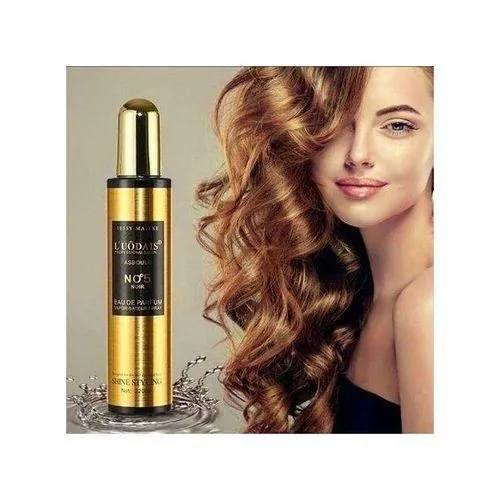 Nlee Beauty Luodais No.5 Shine Hair Spray Perfume for Human Hair, Wigs and WeavesOrder on WhatsApp
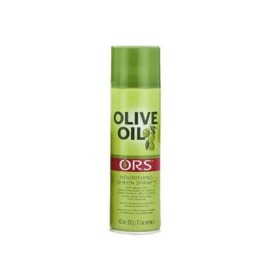 ORS Olive Oil Sheen Spray 275mlOrder on WhatsApp
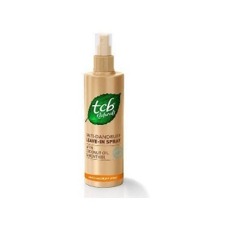 TCB Naturals Anti-Dandruff Leave-In Spray, Coconut Oil & MentholOrder on WhatsApp
How to use hair growth oils, step by step
- Start with a clean scalp. Oil applied over a build-up of products and dust can clog the scalp and cause itching.
- Section the hair. Part your hair into four to six sections so you can reach the scalp easily.
- Apply a few drops directly to the scalp. Use the nozzle of the bottle or your fingertips. You need less than you think: a teaspoon is often enough for the whole head.
- Massage for three to five minutes. Use the pads of your fingers, not your nails, in small circular movements. Massage boosts circulation and is relaxing.
- Seal the ends. Smooth a little oil or butter onto the last few centimetres of hair, the oldest and most fragile part.
- Repeat two to three times a week. Consistency matters more than quantity.
The LOC and LCO methods for moisture
Oils seal moisture in, but they do not add moisture on their own. Water does that. That is why many people with natural hair follow the LOC method: Liquid or leave-in conditioner first, then Oil, then Cream. The LCO method switches the last two steps, and suits hair that feels greasy with oil on top. Try each for two weeks and see which leaves your hair softer for longer. A water-based leave-in such as TCB Naturals Leave-In Spray makes a good first step.
Caring for hair under braids, weaves and wigs
Protective styles are popular in Kenya because they save time and protect the ends of the hair. They can also cause problems when the scalp is neglected. Under braids, apply a light oil or scalp spray along the parts two or three times a week, and massage gently. Avoid heavy greases that attract dust and build up. Do not install styles too tightly, and do not leave them in for longer than six to eight weeks. Tension on the hairline is one of the most common causes of thinning edges in Kenya.
When you take the style out, detangle slowly with plenty of conditioner, and give your hair and scalp a deep conditioning treatment before the next install.
Caring for locs
Locs also need moisture. Use light oils such as jojoba, argan or a diluted rosemary blend on the scalp, and a light mist of water-based spray on the locs themselves. Heavy oils and butters can build up inside locs and are hard to wash out. Wash regularly with a residue-free shampoo and dry the locs completely to avoid mildew.
Relaxed and transitioning hair
Relaxed hair is weaker at the point where the chemical was applied, so gentle handling is essential. Use oils to protect the ends, and a sheen spray such as ORS Olive Oil Sheen Spray for gloss. If you are transitioning from relaxed to natural, the line where the two textures meet breaks easily. Keep it moisturised, avoid heat, and trim the relaxed ends gradually.
Don't forget the basics
- Wash day: cleanse the scalp every one to two weeks with a gentle shampoo and follow with conditioner.
- Deep condition: once every week or two, especially if your hair feels rough or snaps easily.
- Protect at night: sleep with a satin bonnet, scarf or pillowcase. Cotton absorbs moisture and causes friction.
- Limit heat: use a heat protectant before blow-drying or flat ironing, and keep the temperature moderate.
- Trim regularly: removing split ends every few months stops splits from travelling up the strand.
- Eat well: protein, iron, zinc and vitamins support healthy hair. Sudden heavy shedding can be linked to illness, stress, childbirth or nutrition, so see a doctor if it persists.
Know your hair type and porosity
Hair type describes the shape of your curl pattern, from loose waves to tight coils. Porosity describes how easily your hair absorbs and holds moisture, and it often matters more when choosing oils.
Low porosity hair resists water at first and products tend to sit on top. Light oils such as argan, jojoba and grapeseed work best, applied to damp hair with a little warmth. High porosity hair absorbs water quickly but loses it fast, often because of damage from heat or chemicals. Heavier oils and butters such as castor, batana and shea help seal it. Medium porosity hair is the easiest to manage and does well with most oils. A simple test: place a clean strand in a glass of water. If it floats for a long time, it is likely low porosity; if it sinks quickly, it is likely high porosity.
Mistakes to avoid
- Applying undiluted essential oils such as rosemary or peppermint directly to the scalp, which can burn or irritate.
- Using so much oil that the scalp feels greasy and attracts dust.
- Skipping water-based moisture and relying on oil alone.
- Expecting results in a week. Give any routine eight to twelve weeks.
- Ignoring an itchy, flaky or painful scalp. Persistent dandruff, patches of hair loss or sores need a doctor or dermatologist.
Shop hair care and hair growth products in Kenya
At Global Max Shop you can buy beauty products online in Kenya and get hair care delivered to your door. Browse all haircare products, our hair growth collection and our natural and curly hair picks. For finishing, try Luodais No.5 Shine Hair Spray. Not sure which oil suits your hair? Send us a photo and a description of your routine on WhatsApp and we will recommend options that fit your hair type and budget.
Frequently asked questions
Which oil is best for hair growth?
Rosemary (diluted) and castor oil are the most popular for growth routines. The best oil is the one that suits your hair and that you will use consistently.
Can I use hair oil on braids?
Yes. Apply a light oil or scalp spray along the parts two or three times a week and massage gently.
How long before I see results from hair oil?
Give any routine at least 8 to 12 weeks. Less breakage often shows first, followed by visible length retention.
Do I need to dilute rosemary oil?
Yes. Mix a few drops of rosemary essential oil into a carrier oil such as coconut, olive or jojoba before applying to the scalp.
Is coconut oil good for natural hair?
Many people use it as a pre-wash treatment because it helps reduce protein loss. If your hair feels stiff after coconut oil, try argan or olive oil instead.
Why is my hair breaking even though I oil it?
Oil seals moisture but does not add it. Use a water-based leave-in first, detangle gently, protect hair at night and avoid tight styles.
Need help choosing?
Send us a message and our team will recommend products and confirm today's prices.
We are a Nairobi-based online store helping Kenyans shop beauty, health, food, school and farm products with confidence. Our guides are general information, not medical or professional advice.